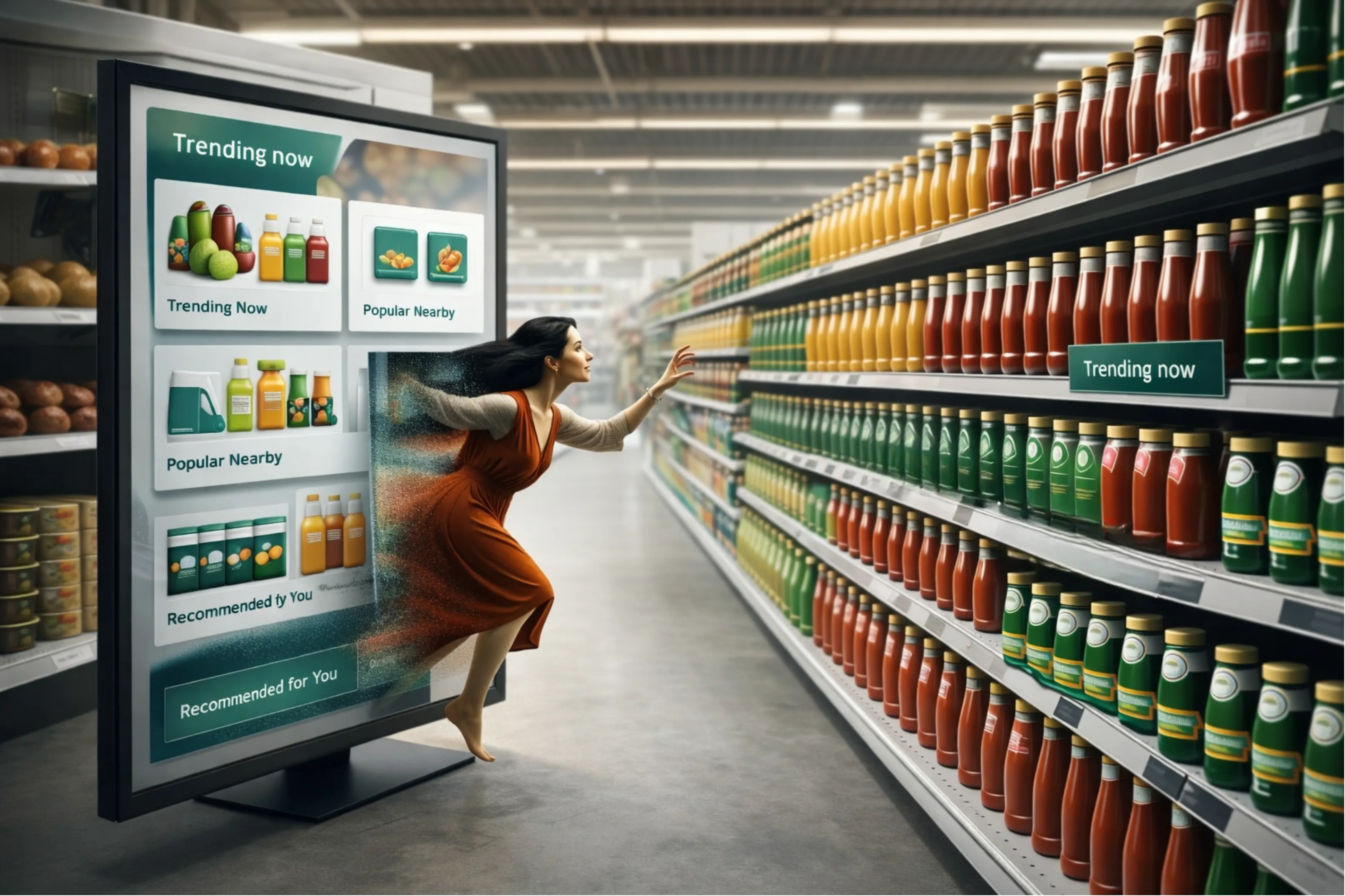
Physical retail is not disappearing, but it is changing. Shoppers now research online before visiting a store, compare prices on their phones while standing in the aisle, and expect the in-store experience to reflect the preferences they have already expressed digitally. Retailers who treat their online and offline channels as separate worlds are leaving money on the table.
The opportunity is straightforward: your e-commerce platform, web analytics, and digital marketing tools already capture detailed customer behavior data. That same data can directly inform how you merchandise, lay out, and promote products in physical stores.
This article covers eight practical strategies for turning online data into in-store action. For a broader view of how we approach retail and e-commerce analytics, see our Retail & E-commerce Data Analytics practice.
The Cost Difference Makes Analytics Essential
Operating physical stores is inherently more expensive than running an online storefront. Rent, utilities, staffing, and in-store inventory carrying costs all add up. Given these higher fixed costs, every square metre of shelf space and every staff hour needs to earn its keep. Data-driven decisions about what to stock, where to place it, and how to promote it are not optional - they are the difference between a profitable store and one that bleeds margin.
Why Online Data Beats In-Store Tracking for Most Retailers
Technologies for in-store customer behavior tracking (path analysis, heat maps, AI-driven cameras) offer valuable insights but come with high hardware costs, installation complexity, and ongoing maintenance. Most mid-market retailers cannot justify the investment.
Online data, by contrast, is abundant and inexpensive. A properly configured Google Tag Manager setup yields extensive insights into customer behavior, product interest signals, and purchasing patterns for a fraction of the cost. The analytics challenge is not data collection - it is translating those digital signals into physical store actions.
Eight Strategies to Bridge Online Data and In-Store Operations
1. Product Pairing Based on Online Behavior
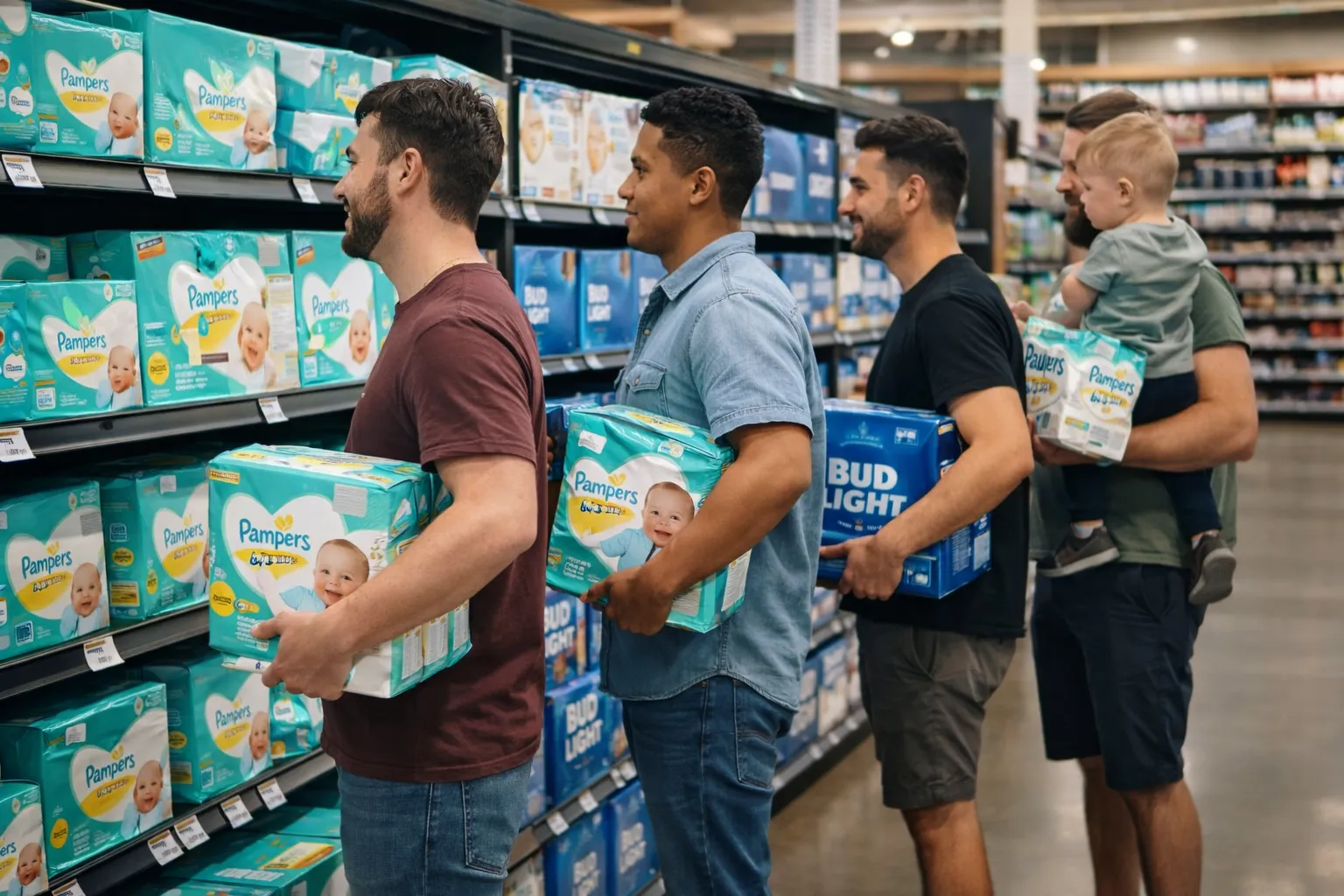
Analyse online shopping patterns to identify products that are frequently viewed together, added to the same cart, or purchased in the same session. Place these items next to each other in-store and create bundled offers to encourage multi-item purchases.
This is the physical equivalent of the "frequently bought together" widget, but applied to shelf layout and end-cap displays.
2. Strategic Product Placement by Online Popularity
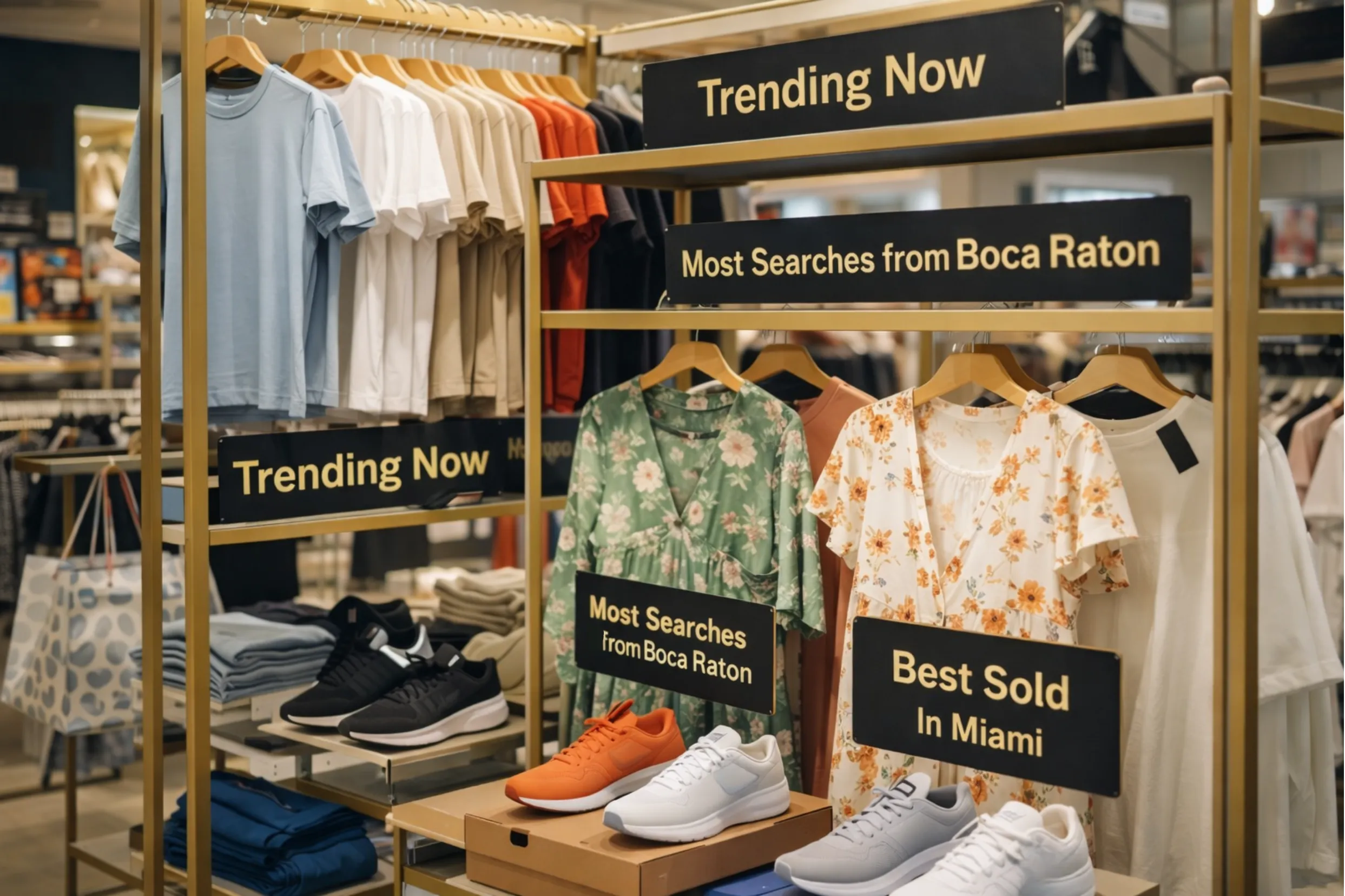
Use online popularity metrics (page views, conversion rate, add-to-cart rate) to determine which products should occupy high-visibility positions in your physical stores: end caps, eye-level shelves, and entrance displays. Your most digitally popular items should be the easiest to find in-store.
3. Inventory Decisions Based on Online Trends
Monitor online search trends and product page views before committing to in-store inventory. If a product is gaining traction online but is not yet stocked in stores, that is a signal. If a product's online interest is declining, reduce in-store allocation before you are stuck with dead stock.
4. Personalized In-Store Promotions
Use online purchase history and loyalty programme data to trigger personalized offers when customers visit your physical store. If a customer frequently buys a particular brand online, an in-store discount on that brand (delivered via app notification or loyalty card) drives both traffic and conversion.
5. Store Layout Optimized by Digital Navigation Patterns
Analyse how customers navigate your website: which categories they browse first, which product pages they visit in sequence, and where they drop off. Use those patterns to inform physical store layout. If online shoppers consistently browse skincare before makeup, arrange those departments adjacently.
6. Product Development Informed by Online Feedback
Online reviews, ratings, and customer questions are a real-time product feedback channel. Use text analytics on review data to identify which product attributes customers value (or complain about) and feed that intelligence into your private label development and buyer decisions for physical stores.
7. Digital-Physical Hybrid Events
Identify products generating significant online interest (trending searches, viral social mentions, waitlist signups) and build in-store events around them: launch parties, demo stations, or tasting events. This turns digital buzz into physical foot traffic and creates experiences that online-only competitors cannot replicate.
8. Localised Store Offerings
Online purchase data segmented by geography reveals regional preferences that national merchandising plans miss. Use this data to tailor the inventory of each store to its local customer base. A store near a university has different demand patterns than one in a suburban family neighbourhood, and your online data already knows this.
Making It Operational
These strategies are not one-time projects. They require a recurring analytics pipeline:
- Data integration: Connect your e-commerce platform, web analytics, CRM, and POS into a unified data warehouse
- Automated reporting: Build dashboards that surface product affinity, online popularity, and trend signals on a weekly cadence
- Feedback loops: Measure in-store performance of data-driven placement decisions and feed results back into the model
Conclusion
The future of physical retail is not about competing with e-commerce - it is about using the data that e-commerce generates to make physical stores smarter. Every click, search, and cart addition online is a signal about what your customers want when they walk through your door.
Retailers who bridge this gap create stores that feel curated rather than generic, where the right products are in the right place for the right customers. That is not a technology problem - it is an analytics problem.
For the full range of retail and e-commerce analytics services we offer, visit our Retail & E-commerce industry page.